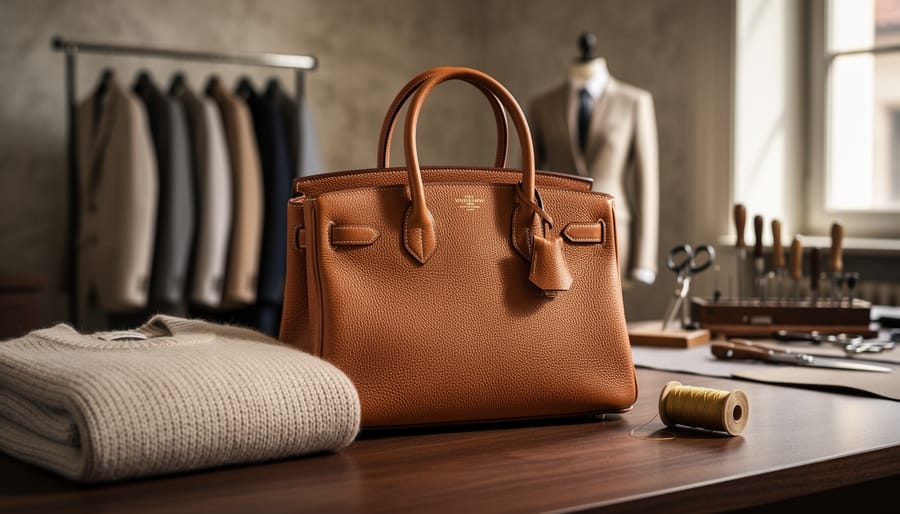
Italian luxury fashion represents more than beautiful clothing. It embodies centuries of artisanal tradition, where master craftspeople hand-stitch seams, select the finest fabrics, and uphold quality standards that mass production could never replicate. When you invest in pieces from houses like Gucci, Prada, or Bottega Veneta, you’re acquiring garments engineered to last decades rather than seasons.
The distinction between Italian luxury and other high-end fashion lies in the manufacturing process itself. In workshops scattered across Milan, Florence, and Rome, skilled artisans still employ techniques passed down through generations. A single handbag might require twelve hours of meticulous labor. Cashmere sweaters undergo multiple quality inspections before receiving a brand label. This commitment to excellence explains why these pieces command premium prices and why they retain value remarkably well.
For those new to Italian luxury, understanding which brands align with your personal style makes all the difference. Heritage houses like Valentino and Fendi offer timeless sophistication, while brands such as Versace deliver bold, statement-making designs. The landscape continues evolving in 2026, with established names refreshing their creative directions and boutique labels gaining international recognition.
Accessing these coveted pieces has become more flexible than ever. Beyond flagship boutiques, luxury pop-up events now bring curated collections to unexpected locations, offering personalized styling consultations and exclusive access. Authenticated resale platforms provide entry points at varied price ranges, making Italian luxury more attainable without compromising on quality or prestige.
The Heritage Behind Italian Luxury Fashion
Italian luxury fashion didn’t emerge from boardrooms or marketing strategies. It grew from medieval guilds, Renaissance ateliers, and centuries-old family workshops where skills passed from master to apprentice. When you hold a piece from a true Italian luxury house, you’re holding the endpoint of knowledge accumulated over generations, not just about design, but about how leather behaves as it ages, how silk drapes across the body, how a seam should sit so a garment moves with you rather than against you.
This is the fundamental difference: Italian luxury fashion emerged from craft traditions first, brand identity second. Florence perfected leather goods because Tuscan tanning methods date back to the 1200s, when the city’s tanners developed techniques for working with the region’s specific water and materials. Como became synonymous with silk because its position between Milan and Switzerland made it a natural textile hub, and families there have been weaving silk since the 1400s. Naples built its reputation on sartorial tailoring, the famous Neapolitan jacket with its soft shoulder and high armhole exists because tailors there spent centuries dressing clients who needed garments that worked in Mediterranean heat.
What sets luxury Italian fashion brands apart isn’t just quality, it’s specificity. These houses know their materials intimately because they’ve worked with them for lifetimes. A Florentine leather artisan can tell you how a hide will age based on where the animal lived. A Como silk weaver understands how different thread counts affect drape and longevity. This depth of knowledge creates garments and accessories that improve with wear rather than deteriorate, the hallmark of true luxury.
The Italian approach also embraces what economists call the “quality over quantity” ethos, but it runs deeper than that phrase suggests. Italian luxury production deliberately stays small-scale, even when brands achieve global recognition. Limited production isn’t a marketing tactic; it’s a practical necessity when pieces require hand-finishing, natural drying times, or specialized skills that only a handful of artisans possess. You can’t rush a hand-stitched Florentine leather bag or a bespoke Neapolitan suit jacket because the techniques themselves dictate the timeline.
This regional expertise creates fashion with substance, pieces designed to be worn, repaired, and passed down rather than discarded after a season.
The Iconic Houses Defining Italian Luxury in 2026
The Italian luxury landscape in 2026 is shaped by houses that have mastered the delicate balance between heritage and evolution. These brands don’t just create clothing, they engineer desire through distinct aesthetic codes that speak to different facets of modern luxury.
- Gucci
- Under its current creative direction, Gucci continues to merge maximalist romanticism with subversive edge. The house trades in recognizable codes, the horsebit hardware, GG monogram, and bold color blocking, while pushing conceptual boundaries that resonate with younger luxury consumers seeking pieces that make statements without shouting.
- Prada
- Miuccia Prada’s intellectual approach to fashion manifests in pieces that challenge conventional notions of femininity and luxury. The nylon backpack remains iconic, but it’s the house’s ability to make “ugly” beautiful, the chunky shoe, the austere silhouette, that defines its appeal to fashion insiders who appreciate cerebral design.
- Bottega Veneta
- The house built its reputation on intrecciato woven leather and “stealth wealth” aesthetics. Today, Bottega represents the pinnacle of quiet luxury, pieces with no visible logos that signal taste to those who understand craftsmanship. Their leather goods and architectural silhouettes appeal to consumers tired of conspicuous branding.
- Valentino
- Roman elegance meets modern femininity through Valentino’s mastery of color, particularly its signature red, and romantic silhouettes with contemporary edge. The house excels at eveningwear and elevated day pieces that balance drama with wearability, attracting clients who want presence without costume.
- Dolce & Gabbana
- This Sicilian-inspired powerhouse celebrates unabashed Mediterranean sensuality through corsetry, lace, bold prints, and family-centric narratives. While controversial at times, the brand owns its maximalist Italian identity, from dramatic tailoring to ornate embellishment, appealing to those who view fashion as celebration rather than understatement.
What separates these houses from aspirational brands isn’t just price or history. Each has developed a visual language so coherent that a single sleeve detail or fabric choice becomes recognizable to the educated eye. Gucci’s playful irreverence attracts a different client than Bottega’s refined minimalist, yet both tap into the same Italian foundation of exceptional materials and construction.
The modern luxury consumer in 2026 approaches these brands differently than previous generations. Rather than collecting pieces indiscriminately from a single house, today’s fashion-forward individuals build wardrobes across brands based on what each does best. You might invest in Bottega leather goods for their understated elegance, turn to Valentino for special occasion dressing, and select Prada for intellectually interesting everyday pieces. This strategic approach reflects a more mature relationship with luxury, one focused on personal style rather than brand loyalty alone.
These houses remain relevant because they’ve adapted without abandoning their core identities. They understand that heritage means nothing if it calcifies into museum-piece irrelevance, yet innovation rings hollow without roots in craft tradition. That tension, between honoring the past and addressing the present, is what keeps Italian luxury vital in a market saturated with newer, louder voices demanding attention.
What You’re Really Paying For: The Craftsmanship Factor
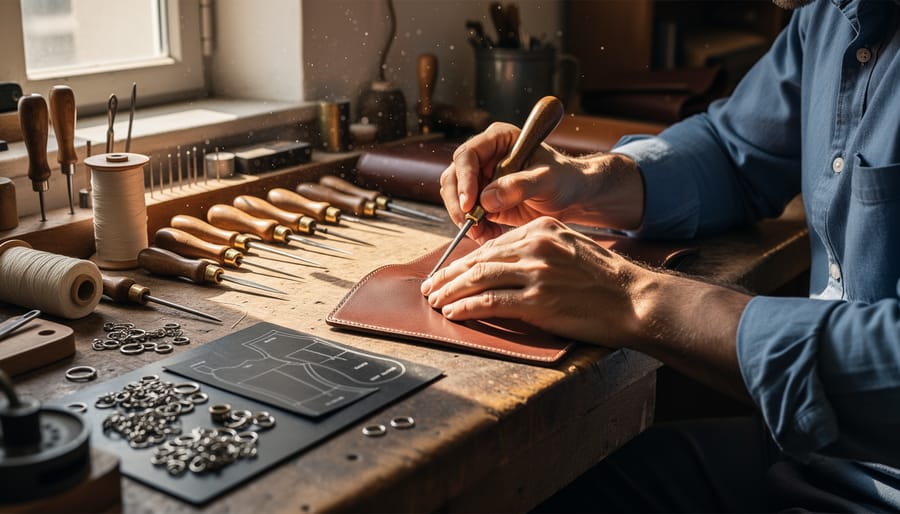
When you invest in a luxury Italian fashion piece, you’re buying far more than a label. You’re acquiring the result of generations-old techniques passed from master to apprentice in workshops where speed takes a back seat to precision.
Consider what goes into a single Bottega Veneta handbag. Each intrecciato weave requires a skilled artisan to hand-lace individual leather strips, a process that can take eight hours for one bag. That same artisan likely trained for years before touching a piece destined for sale. This isn’t assembly-line production, it’s a form of applied art where human expertise creates something machines simply cannot replicate.
The materials themselves tell part of the story. Italian luxury houses source cashmere from specific Mongolian herds, selecting only the finest undercoat fibers that measure 14-15 microns in diameter. They commission leather from Tuscan tanneries that still use vegetable tanning methods requiring three months per hide, versus the days needed for chemical processes. The silk comes from Como, where weavers achieve thread counts and patterns that lesser mills cannot match.
Then there’s the construction. A tailored Italian jacket involves roughly 5,000 hand-stitches and includes floating canvas construction that allows the garment to mold to your body over time. Fast fashion uses fused interfacing that costs pennies and creates a stiff, disposable garment. The Italian approach costs significantly more in labor and expertise, but it produces a piece that actually improves with wear.
Limited production runs further justify the investment. While fast fashion brands manufacture tens of thousands of identical items, many Italian luxury pieces are made in quantities of a few hundred. This scarcity preserves value and ensures you’re wearing something distinctive rather than ubiquitous.
The longevity factor shifts the value equation dramatically. A properly cared-for Italian leather handbag or wool coat will serve you for decades, often outlasting twenty cheaper replacements. When you calculate cost-per-wear over ten or fifteen years, that initially steep price point becomes remarkably reasonable. You’re not just buying clothing, you’re acquiring pieces that hold their value, resist trends, and can even appreciate on the resale market.
How to Access Luxury Italian Fashion Without the Boutique Price Tag
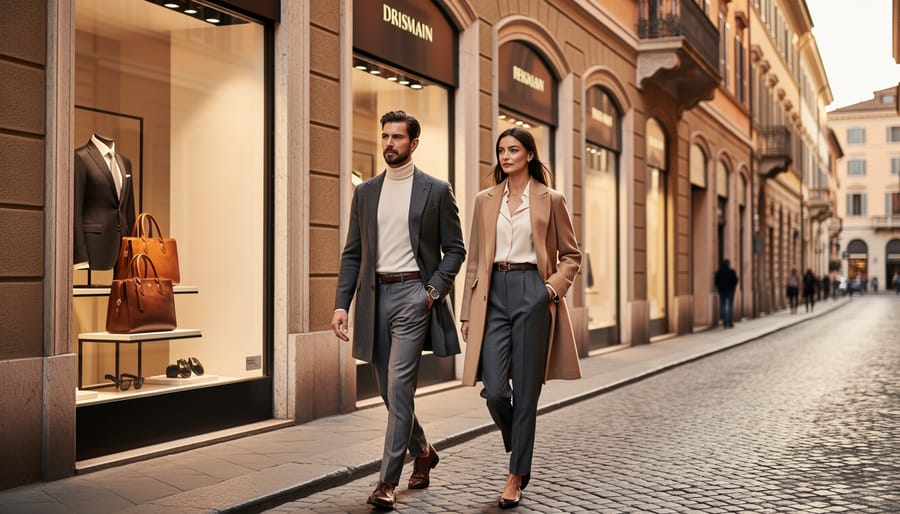
Owning luxury Italian fashion doesn’t require draining your savings account. Strategic shoppers know multiple channels exist beyond traditional boutiques, each offering authentic pieces at reduced prices.
Start with authenticated resale platforms where pre-owned Italian luxury finds new homes. Sites like Vestiaire Collective, The RealReal, and Rebag verify each item’s authenticity before listing. You’ll find Prada bags, Gucci loafers, and Valentino dresses at 30-70% below retail, often barely worn. These platforms also let you shop smart online from established sellers with buyer protection guarantees.
Sample sales remain gold mines for savvy shoppers. Italian houses regularly liquidate overstock, runway samples, and past-season pieces through organized sales events in major cities. Sign up for mailing lists from brands you love and follow sample sale aggregators. Arrive early with measurements memorized since fitting rooms fill quickly.
Designer outlets offer another reliable avenue. Brands like Prada, Dolce & Gabbana, and Bottega Veneta operate outlet locations stocking previous seasons at marked-down prices. Expect 40-60% savings on authentic pieces, though selection depends on what inventory filters down from flagship stores.
Pop-up shopping events are transforming access to Italian luxury. Couture Pop-Ups is bringing a luxury Italian shopping experience to Vancouver from February 26-28, 2026, at 1464 W. 7th Ave. The event runs 10AM-9PM on February 26-27 and 10AM-6PM on February 28, featuring Italian designer pieces and exclusive styles unavailable elsewhere. Free tickets are required for entry. These curated events eliminate the intimidation factor of traditional boutiques while offering competitive pricing on authenticated pieces.
| Access Point | Typical Savings | Authenticity Assurance | Selection Variety |
|---|---|---|---|
| Traditional Boutique | 0% | Guaranteed | Current season only |
| Brand Outlets | 40-60% | Guaranteed | Past seasons, limited sizes |
| Sample Sales | 50-80% | Guaranteed | Runway samples, overstock |
| Authenticated Resale | 30-70% | Platform-verified | Wide range across seasons |
| Luxury Pop-Ups | 30-50% | Event-curated | Exclusive, hard-to-find pieces |
Luxury consignment boutiques in your area provide hands-on shopping experiences. Unlike online stores these physical locations let you inspect leather quality, test zippers, and try pieces before committing. Relationships with consignment staff pay dividends, they’ll call when something matching your taste arrives.
Time your purchases strategically. End-of-season sales at department stores carrying Italian luxury lines offer legitimate markdowns. January and July typically bring the deepest cuts as retailers clear inventory for incoming collections. Patience rewards those willing to wait for pieces they love rather than settling for available items at full price.
Building a Capsule Wardrobe with Italian Luxury Pieces
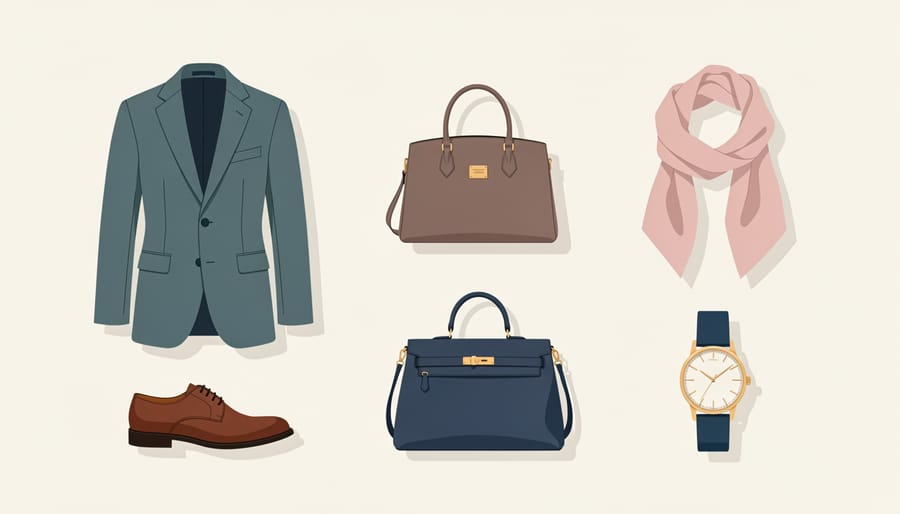
A strategic capsule wardrobe built around Italian luxury pieces transforms your daily dressing from overwhelming decision to effortless elegance. Start with four foundational investments that work across seasons and occasions: a structured Italian blazer in navy or charcoal, a supple leather handbag in a neutral tone, quality leather loafers or pumps, and a silk scarf that adds instant polish.
The blazer anchors everything. Look for a style from houses like Max Mara or Brunello Cucinelli with perfect shoulder lines and fabric that holds its shape. You’ll wear it over jeans, with tailored trousers, thrown over dresses. One exceptional blazer elevates ten outfits. Pair it with your Italian leather bag, which should fit your laptop or daily essentials without sacrificing structure. Brands like Bottega Veneta and Valextra excel at timeless shapes that age beautifully rather than dating quickly.
Your shoes matter more than any trend piece. Italian craftsmanship means proper arch support, leather that molds to your foot, and soles you can resole for years. A cognac loafer or black pump becomes your reliable foundation, far more valuable than a dozen disposable pairs.
The silk scarf is your styling ace. Worn at the neck, tied on your bag, or draped over shoulders, it’s pure versatility. This is where fashion tips meet practical wisdom: one luxurious accent piece changes your entire look without requiring a full outfit change.
These wardrobe essentials form your core, but building confidence means knowing how to style them for your life. Mix your Italian blazer with high-street denim. Wear your leather bag with casual weekend pieces. The goal isn’t head-to-toe luxury, it’s strategic elegance that reflects who you are. When you invest in quality that suits your actual lifestyle, you naturally be more fashionable because you’re wearing pieces that work instead of chasing what everyone else is buying.
Spotting Authentic Italian Luxury: What to Look For
Authenticating luxury Italian fashion requires a discerning eye, but once you know what to look for, the difference between genuine craftsmanship and clever counterfeits becomes unmistakable. Genuine pieces reveal their quality through dozens of small details that counterfeiters struggle to replicate consistently.
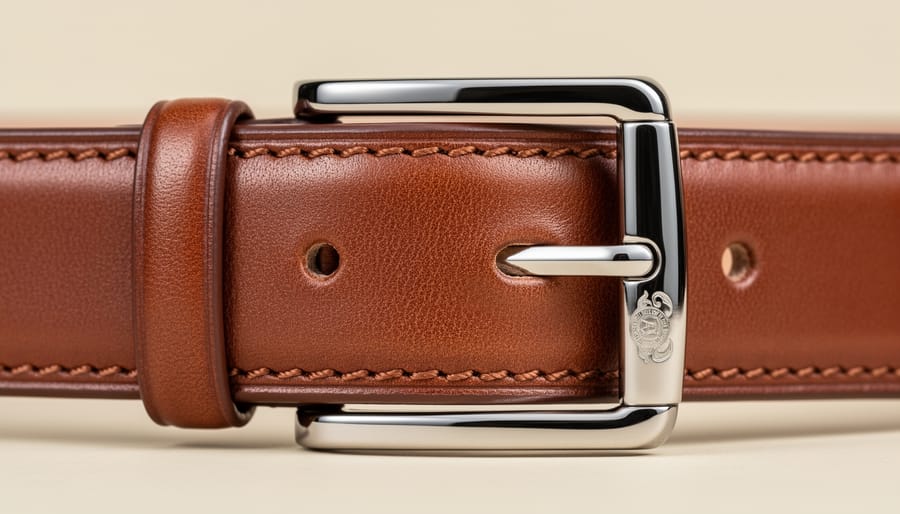
Start with the stitching. Authentic Italian luxury features hand-finished seams that are perfectly even, with no loose threads or irregular spacing. The stitching should feel slightly raised to the touch on leather goods, and the thread color will match the material precisely. Examine hardware next, genuine zippers, clasps, and metal accents have substantial weight and smooth, precise mechanisms. Cheap hardware feels light and operates roughly.
Interior labels tell their own story. Luxury Italian brands use specific fonts, spacing, and placement that remain consistent across their collections. The label should be sewn, never glued, with careful attention to alignment. Many houses include serial numbers or authenticity codes that you can verify through the brand or authenticated resale platforms.
- Stitching should be perfectly even with no loose threads or skipped sections
- Hardware must feel heavy and operate smoothly without catching or rattling
- Interior labels appear sewn (not glued) with consistent fonts and proper alignment
- Materials should feel substantial, genuine leather has natural grain variations and a distinct scent
- Original packaging includes dust bags with quality fabric, proper logos, and care cards with accurate brand details
Touch matters more than you might think. Authentic Italian leather develops a patina over time and has natural grain variations, perfectly uniform texture suggests embossed synthetic material. Cashmere should feel impossibly soft without pilling immediately, and silk should have weight and a subtle sheen rather than artificial shine.
When shopping secondary markets or unfamiliar venues like pop-up events, request detailed photographs of labels, stitching, and hardware before purchasing. Reputable sellers understand these requests signal an informed buyer, not distrust. Trust your instincts, if the price seems impossibly low or the seller hesitates to provide authentication details, walk away. Genuine Italian luxury carries confidence in every stitch.
Luxury Italian fashion brands have earned their place at the pinnacle of style not through marketing hype, but through generations of uncompromising craftsmanship and design excellence. When you invest in Italian luxury, you’re acquiring more than a garment or accessory, you’re choosing a piece with longevity, timeless appeal, and the kind of quality that actually improves your cost-per-wear over time.
The key is approaching these purchases thoughtfully. Rather than chasing every trend, focus on pieces that genuinely resonate with your personal aesthetic and fit seamlessly into your lifestyle. A perfectly tailored Valentino blazer that makes you feel powerful, or a Bottega Veneta bag that elevates your everyday routine, represents fashion at its most meaningful, a reflection of who you are, not who you think you should be.
Italian luxury is no longer confined to exclusive boutiques with intimidating price tags. With authenticated resale platforms, curated pop-up events, and smart shopping strategies, these investment pieces are increasingly within reach for fashion-forward individuals who value quality.
Trust your instincts, prioritize craftsmanship over logos, and build a wardrobe that tells your story. That confidence, knowing you’ve chosen pieces that truly suit you, is the ultimate luxury.